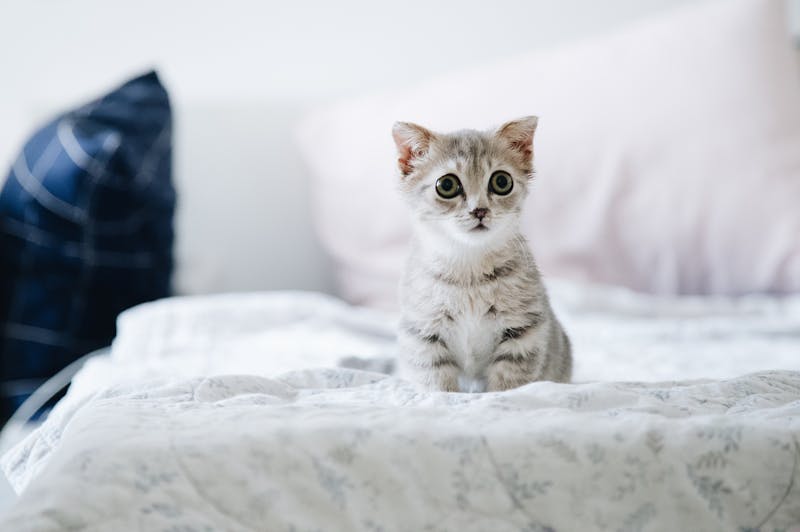
Solving the Litter Tracking Problem
Practical strategies and product choices to minimize litter scattered outside the box and keep your floors clean.
Every cat parent knows the frustration: you step out of bed in the morning and crunch onto scattered litter. Or you watch your cat exit the litter box, leaving a trail of granules across your hardwood floors. Litter tracking is one of the most common complaints about living with cats, but it doesn’t have to be an inevitable part of cat ownership. Let’s explore why tracking happens and the most effective strategies to minimize it.
Understanding Why Litter Tracks
Before we can solve the problem, we need to understand what causes litter to leave the box in the first place.
The Exit Path
When your cat exits the litter box, litter stuck between their toes and on their paw pads comes along for the ride. The first few steps outside the box deposit the most litter, creating that familiar trail pattern.
Digging and Covering
Enthusiastic diggers send litter flying. Some cats are meticulous coverers who scratch extensively, propelling particles over the edge of the box. This behavior is natural and shouldn’t be discouraged, but we can minimize its effects.
Shaking and Grooming
Cats may shake their paws as they exit to dislodge litter. They also groom their feet later, sometimes relocating litter to their resting spots. This secondary tracking can spread litter throughout your home.
Static and Sticking
Fine litter particles can cling to fur through static electricity, especially in dry conditions. Long-haired cats are particularly prone to carrying litter on their coat.
The First Line of Defense: Choose the Right Litter
Your choice of litter significantly impacts how much tracks outside the box.
Particle Size Matters
Very fine litters tend to stick between toes and track more. Very coarse litters may be uncomfortable but track less. The sweet spot is medium-grain litter that:
- Falls away from paws more easily
- Doesn’t wedge between toes
- Feels comfortable underfoot
- Still provides good clumping
PurWuf is specifically designed with granule size optimized for both cat comfort and minimal tracking.
Weight and Density
Heavier litter particles fall off paws more quickly than lightweight alternatives. Natural clay litters tend to be heavier and track less than some lightweight or paper-based options.
Texture
Smooth, rounded granules release from paws more easily than rough, angular particles. Quality manufacturing processes produce more consistent, smoother granules.
Litter Box Selection for Reduced Tracking
The design of your litter box can dramatically affect how much litter escapes.
High-Sided Boxes
Boxes with high walls (6-8 inches) contain more litter spray from digging. Look for designs with:
- Three high sides for containment
- One lower entry side for easy access
- Adequate interior space despite the walls
Top-Entry Boxes
These boxes require cats to climb through a hole in the lid:
Advantages:
- Excellent litter containment
- Forces cats to step on the lid, dislodging litter before floor contact
- Built-in “air lock” effect
Considerations:
- Not suitable for seniors or cats with mobility issues
- Some cats resist the enclosed feeling
- Harder to monitor litter condition
Litter Box Enclosures
Furniture-style enclosures that house a standard litter box can help:
- Contain scattered litter within the enclosure
- Often include walking surfaces that catch litter
- Improve aesthetics
However, ensure adequate ventilation to prevent odor buildup and monitor that your cat accepts the enclosed space.
Litter Mats: Your Second Defense
A good litter mat catches particles before they reach your floor. Not all mats are created equal.
Types of Litter Mats
Traditional Mats
- Simple textured surface that traps litter
- Easy to shake out and clean
- Affordable option
Double-Layer Mats
- Top honeycomb layer catches litter
- Particles fall through to bottom layer
- Empty by separating layers
Grass-Like Mats
- Flexible blades trap litter between them
- Mimic outdoor conditions
- Can be vacuumed or shaken out
Enclosed Track Mats
- Create a pathway from box exit
- Multiple surfaces extend the litter-catching zone
- Most effective but require more space
Mat Placement Strategy
- Position the mat directly at the box exit
- Extend the mat as far as practical
- If using a side-entry box, place mat on the entry side
- For corner placement, use an L-shaped mat arrangement
Mat Maintenance
- Shake out mats daily or every other day
- Vacuum weekly for thorough cleaning
- Wash mats monthly with mild soap
- Replace worn mats that no longer catch litter effectively
Strategic Box Placement
Where you place the litter box affects tracking throughout your home.
Contain the Tracking Zone
- Place boxes in easy-to-clean areas (tile, hardwood, vinyl)
- Avoid placing directly on carpet, which is harder to clean
- Choose locations where tracked litter is easily managed
Create Buffer Zones
Position the litter box so that cats must walk across your chosen flooring before reaching carpet or upholstered areas. This allows natural paw-cleaning as they walk.
Consider Traffic Patterns
If possible, place boxes where tracked litter won’t spread throughout high-traffic areas. A box in a spare bathroom keeps tracking contained to a single room.
Cleaning Strategies
Even with prevention measures, some tracking is inevitable. Efficient cleaning makes management easier.
Daily Quick-Clean
- Sweep or vacuum the immediate litter box area daily
- Take just 30 seconds but makes a big difference
- Best done right after scooping
The Right Tools
For Hard Floors:
- Soft-bristle broom for quick sweeps
- Handheld vacuum for convenience
- Dust mop for larger areas
For Carpet:
- Vacuum with good suction
- Rubber bristle broom to pull particles from carpet fibers
- Regular professional cleaning for embedded litter
Robotic Helpers
Robot vacuums can be surprisingly effective at managing litter tracking:
- Schedule runs for after typical litter box use times
- Keep tracked litter from spreading
- Reduce your daily workload
Advanced Solutions
For persistent tracking problems, consider these additional approaches.
Paw Cleaning Stations
Some cat parents set up a paw-cleaning routine:
- Damp cloth at the box exit
- Paw-washing mats designed for dogs (work for cats too)
- Patience and training
Most cats won’t tolerate active paw cleaning, but some adapt.
Double Box Setup
If you have space, consider placing a second, empty litter box in front of the main one:
- Cat exits through the empty box
- Walking through the empty box dislodges remaining litter
- Empty “catching” box is easy to dump back into the main box
Flooring Considerations
When renovating or choosing flooring:
- Tile or vinyl near litter boxes is easiest to clean
- Textured surfaces may trap litter better (good and bad)
- Area rugs can be replaced more easily than wall-to-wall carpet
Realistic Expectations
While these strategies significantly reduce tracking, eliminating it entirely is unrealistic. Cats will always carry some litter, and that’s okay. The goal is management, not perfection.
What Success Looks Like
- Litter contained to the immediate box area
- Quick daily cleanup taking under a minute
- No litter in unexpected areas of your home
- Floors that feel clean underfoot
The Bigger Picture
Some litter tracking is simply part of living with cats. The joy, companionship, and entertainment cats bring far outweigh the minor inconvenience of sweeping up some stray granules.
Bringing It All Together
The most effective approach combines multiple strategies:
- Quality low-tracking litter with optimized granule size
- Appropriate litter box with adequate height
- Effective litter mat at the box exit
- Strategic placement in easy-to-clean areas
- Consistent quick-cleaning routine
When these elements work together, litter tracking becomes a minor maintenance task rather than a daily frustration.
Minimize tracking with PurWuf’s low-tracking design. Optimized granule size stays in the box where it belongs.

Related Posts

The Science of Eliminating Litter Box Odor
Read More
How to Successfully Switch Your Cat's Litter
Read More
7 Common Litter Box Mistakes Cat Parents Make
Read More
5 Tips for a Cleaner Litter Box
Read More
Why We Chose Natural Clay
Read More